
Artists and designers over the years have long drawn inspiration from pop culture icons, music, media, and fashion. Each era develops its own distinct visual style, influenced by the cultural and artistic movements of the time.
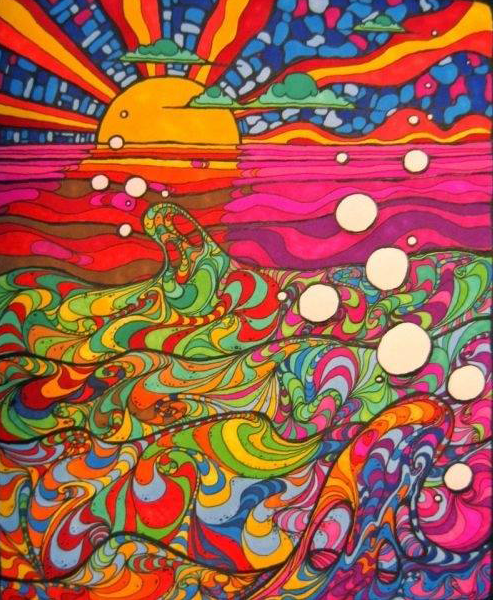
The 1960s psychedelic art movement, characterized by swirling patterns and vibrant colors, was heavily influenced by the music of that era.
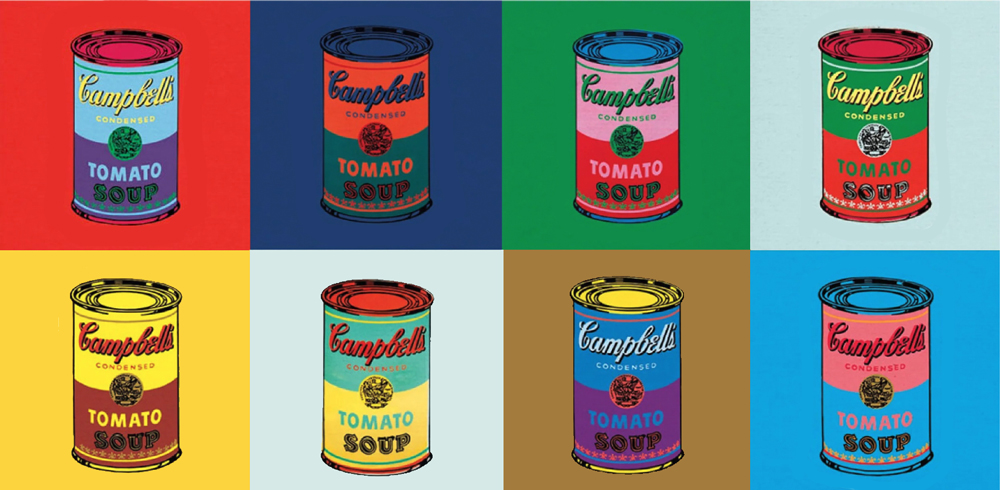
Andy Warhol’s Campbell’s Soup Cans, created in 1962, are among the most iconic works of the Pop Art movement. Warhol chose this subject because of its everyday, mundane nature, reflecting his interest in mass production and consumer culture.
Warhol’s use of repetition and commercial imagery commented on the influence of mass media and advertising. By focusing on a familiar household item, he connected art to everyday life, making it more accessible and relatable to the public.
The Campbell’s Soup Cans remain a significant work in the history of contemporary art, symbolizing the intersection of art, commerce, and popular culture.
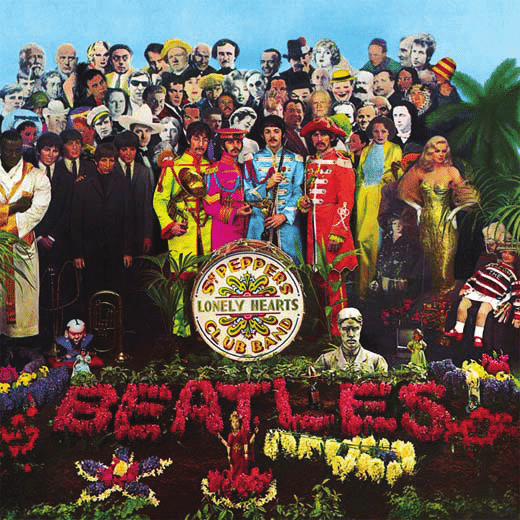
Musicians and artists often collaborated, leading to a fusion of ideas and styles. Album covers designed by famous artists, such as The Beatles’ “Sgt. Pepper’s Lonely Hearts Club Band” cover by Peter Blake, showcase this synergy.
Pop culture icons and music genres push creative boundaries, encouraging artists and designers to experiment with new techniques and materials.
By the 1980s’, artists and media companies began to realize the potential of licensing cartoon characters to enhance brand recognition and consumer engagement. This became a major industry, with apparel and other merchandise becoming widely popular.
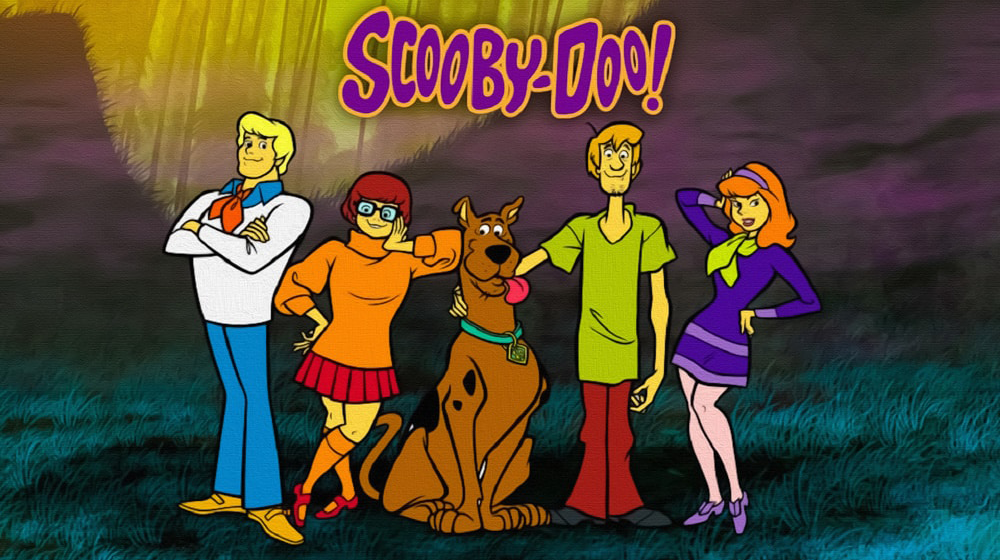
Scooby-Doo and other licensed cartoon characters have significantly influenced t-shirt design and art by becoming iconic symbols of nostalgia and pop culture. Scooby-Doo’s imagery allows fans to express their connection to the beloved series. The characters’ distinct colors and styles, such as Daphne’s purple and Velma’s orange, have inspired fashion and cosplay, influencing how people style their clothing with layers and accessories.
The advent of music videos in the 1980s’ revolutionized both the music and art industries. This era saw increased multimedia and interdisciplinary collaborations, with designers incorporating elements of video art into their work, blending visual and auditory experiences.
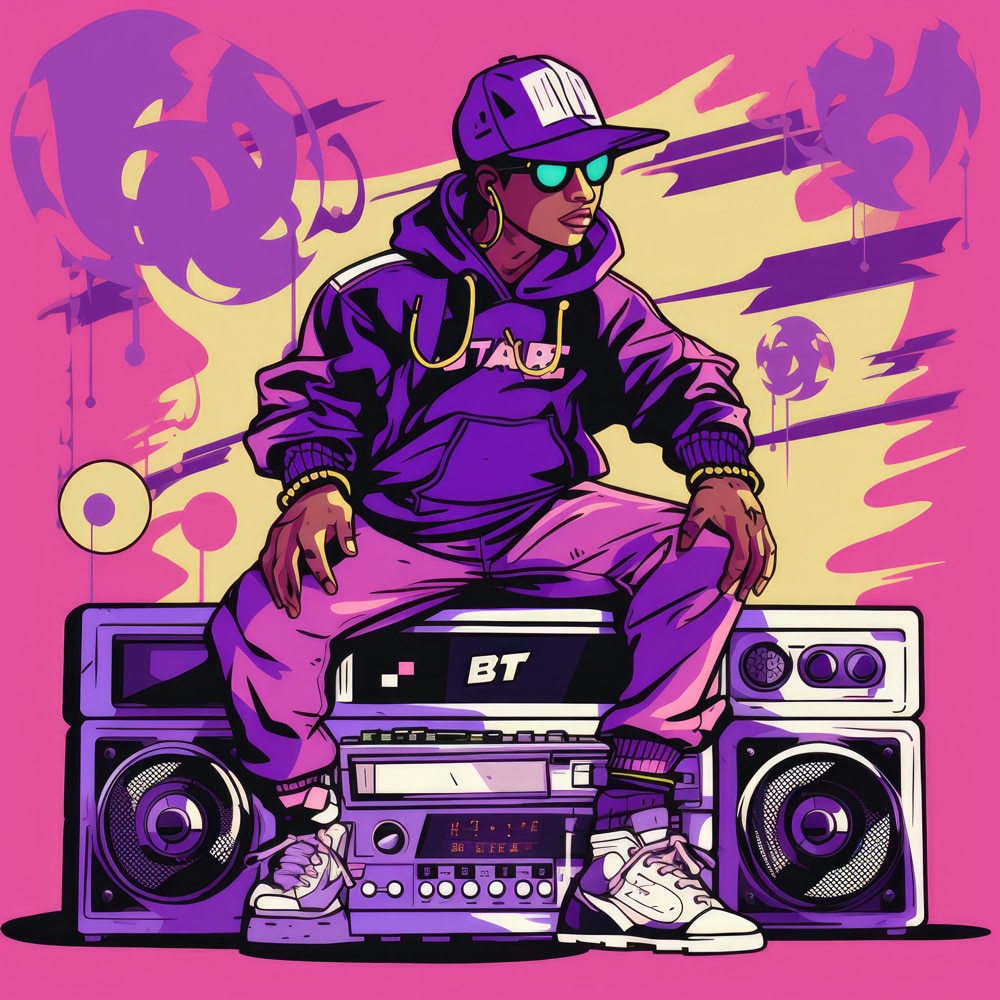
Pop culture trends heavily influence t-shirt design. The rise of hip-hop in the 1980s’ and 1990s’ brought oversized t-shirts and bold graphics into fashion. The resurgence of retro and vintage styles often revives classic band t-shirt designs. Custom t-shirt printing allows individuals to express their personal tastes and affiliations with certain music genres or pop culture phenomena.
Band merchandise has become iconic, with t-shirt designs often reflecting a band’s image, album art, and cultural impact. The Rolling Stones’ tongue logo is a prime example.
T-shirts also serve as canvases for cultural and political statements, often inspired by pop culture and music.
The inspiration that comes from pop culture, music, art, design, and t-shirts is dynamic and constantly evolving, with each influencing and reshaping the other in significant ways. This ongoing relationship drives the creation of unique and innovative artistic expressions across various mediums.
TeeLand, LLC is a Las Vegas-based apparel decoration company founded by industry veteran Jamey Draper. Recognized as a leader in mixed-media apparel embellishment, Jamey has successfully built multiple businesses in the industry, including mass-scale embellishment companies Sunsports and Agua Prieta Tees, as well as direct-to-consumer online t-shirt retailers Design By Humans and TeeFury.
Jamey’s impressive portfolio includes producing decorated apparel for renowned brands such as Nike, Reebok, Vans, Oakley, Abercrombie and Fitch, Quiksilver, Roxy, Hurley, Billabong, and multiple licensed apparel brands.
Working alongside Jamey is industry veteran Horacio Gonzalez. Horacio brings extensive experience in blank sourcing, product development, brand building, and customer relationships.
TeeLand is a premier one-stop decoration partner offering advanced capabilities in screen printing, embroidery, and heat transfer application. From our modern 30,000 sq. ft. facility in Las Vegas, Nevada, we deliver flexible embellishment solutions designed to elevate your brand while optimizing quality, cost, and low minimums.
Our screen printing operation features a state-of-the-art screen room with Computer-to-Screen (CTS) technology using the Kiwo LX 100 Laser Exposure system, all brand-new M&R screen print equipment, and dedicated neck label capabilities. We handle everything from toddler to oversized garments across all print locations.
A complete Wilflex ink system, supported by the Avient DM4 Mini automated mixing system, ensures precise PMS color matching and consistent chemistry, while professional heat transfer application relies on premium Stahls components and equipment.
Our embroidery is powered by Barudan 12-head machines capable of high-quality results on both flat garments and structured headwear.
Beyond decoration, TeeLand provides comprehensive packaging and fulfillment services tailored to both retail and e-commerce needs. Our full-service department can prepare orders in a retail-ready format—complete with professional folding, poly bagging, hang tags, size stickers, and branded presentation—or simply repack items back into bulk cartons.
Let’s create something epic together!